
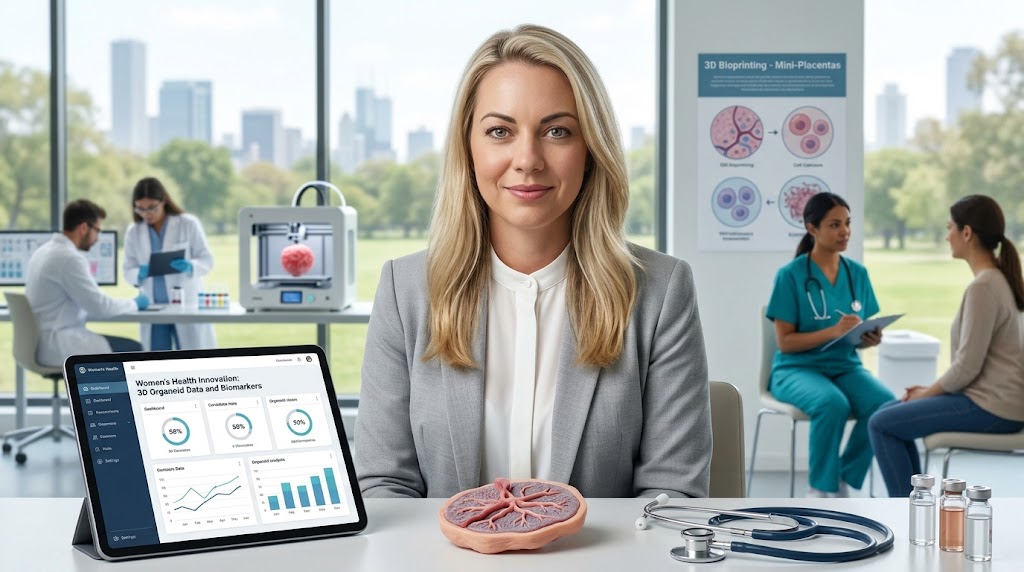
Women’s healthcare has undergone remarkable changes over the past few decades. Advances in medical science, technology, and clinical research have significantly improved how health conditions affecting women are understood, diagnosed, treated, and prevented. As researchers continue to explore the unique biological, hormonal, and social factors that influence women’s health, healthcare outcomes are improving across every stage of life.
From pregnancy and reproductive health to heart disease, cancer, and healthy aging, research is helping healthcare professionals provide more personalized and effective care. These advancements are not only improving quality of life but also helping women make more informed decisions about their health and well-being.
The Growing Importance of Women’s Health Research
Historically, women were underrepresented in many medical studies. As a result, healthcare providers often lacked comprehensive data about how diseases and treatments affected women differently from men.
Today, researchers recognize that women have unique health needs that require dedicated investigation. This shift has led to major improvements in healthcare practices and has expanded our understanding of conditions that disproportionately affect women.
Women’s health research now focuses on a broad range of areas, including:
- Reproductive health
- Pregnancy and maternal care
- Menopause and hormonal health
- Cardiovascular disease
- Mental health
- Cancer prevention and treatment
- Healthy aging
- Chronic disease management
These studies are helping to close critical knowledge gaps and improve patient outcomes.
Earlier Detection and More Accurate Diagnoses
One of the most significant benefits of ongoing research is the ability to detect health conditions earlier and more accurately.
Researchers have discovered that symptoms of certain diseases can present differently in women than in men. For example, women experiencing heart disease may report symptoms such as fatigue, nausea, shortness of breath, or jaw pain rather than the classic chest pain often associated with heart attacks.
By understanding these differences, healthcare providers can identify conditions sooner, leading to faster interventions and better outcomes.
Improved Screening Methods
Research has also led to more effective screening tools for conditions such as:
- Breast cancer
- Cervical cancer
- Osteoporosis
- Gestational diabetes
Early detection often results in more treatment options and higher survival rates.
Advancing Reproductive and Maternal Health
Women’s health research has transformed care before, during, and after pregnancy.
Scientists continue to investigate factors that contribute to healthy pregnancies while identifying risks that may affect mothers and babies. These discoveries have improved prenatal care, pregnancy monitoring, and postpartum support.
Better Pregnancy Outcomes
Research has contributed to:
- Reduced maternal mortality rates
- Improved management of pregnancy complications
- Enhanced fetal monitoring techniques
- Better understanding of postpartum recovery
These advancements help healthcare professionals provide safer and more effective care throughout the maternal health journey.
A Better Understanding of Hormonal Health
Hormones influence nearly every aspect of a woman’s health, including mood, metabolism, sleep, fertility, and overall well-being.
Research has significantly expanded our understanding of hormonal changes during:
- Puberty
- Menstruation
- Pregnancy
- Perimenopause
- Menopause
This knowledge allows healthcare providers to develop more targeted treatment strategies and support women through major life transitions.
Improving Menopause Care
Menopause research has become an increasingly important area of focus.
Studies are helping clinicians better understand:
- Hot flashes
- Sleep disturbances
- Bone health changes
- Cognitive symptoms
- Cardiovascular risks
As a result, women now have access to a wider range of evidence-based management options.
Personalized Healthcare Is Changing the Future
Not all women experience health conditions in the same way. Genetics, lifestyle, environment, and individual risk factors can all influence health outcomes.
Modern research is driving the growth of personalized medicine, which focuses on tailoring healthcare recommendations to individual needs.
Benefits of Personalized Care
Personalized healthcare can help:
- Improve treatment effectiveness
- Reduce unnecessary interventions
- Enhance patient satisfaction
- Support better long-term outcomes
By understanding the unique characteristics of each patient, healthcare providers can deliver more precise and effective care.
Improving Women’s Mental Health Outcomes
Mental health research has highlighted important connections between hormonal changes, life events, and emotional well-being.
Women may experience unique mental health challenges related to:
- Pregnancy
- Postpartum recovery
- Menopause
- Caregiving responsibilities
- Chronic stress
Research continues to identify strategies that support emotional resilience, reduce stigma, and improve access to mental health resources.
Supporting Whole-Person Care
Modern healthcare increasingly recognizes that physical and mental health are closely connected.
This integrated approach helps improve overall well-being and quality of life for women across different stages of life.
Breakthroughs in Cancer Research
Cancer research remains one of the most impactful areas of women’s health research.
Scientists continue to explore ways to:
- Detect cancer earlier
- Improve treatment effectiveness
- Reduce side effects
- Increase survival rates
Research involving breast, ovarian, cervical, and uterine cancers has led to major advancements in prevention, diagnosis, and treatment.
The Role of Precision Medicine
Precision medicine is helping healthcare professionals identify treatments that are most likely to be effective for individual patients based on genetic and biological factors.
This approach is improving outcomes while minimizing unnecessary treatments.
Promoting Preventive Healthcare
One of the most important lessons from women’s health research is the value of prevention.
Researchers are identifying risk factors and lifestyle strategies that help reduce the likelihood of developing chronic diseases.
Preventive healthcare recommendations often focus on:
- Healthy nutrition
- Physical activity
- Stress management
- Regular screenings
- Sleep quality
- Smoking cessation
These evidence-based strategies empower women to take a proactive approach to their health.
The Role of Technology in Women’s Healthcare

Technology is accelerating research and improving healthcare delivery.
Innovations such as wearable devices, digital health platforms, and artificial intelligence are helping researchers collect data and monitor health trends more effectively.
Emerging Opportunities
Technology is supporting:
- Remote health monitoring
- Early disease detection
- Improved patient engagement
- More efficient healthcare delivery
As these tools continue to evolve, they have the potential to further improve women’s healthcare outcomes worldwide.
Looking Ahead: The Future of Women’s Health Research
The future of women’s healthcare is promising.
Researchers are exploring exciting new areas, including:
- Precision medicine
- Genetic research
- Artificial intelligence in healthcare
- Digital health technologies
- Healthy aging strategies
These innovations are expected to further improve prevention, diagnosis, treatment, and overall quality of care.
Continued investment in women’s health research will be essential to ensuring that future generations benefit from safer, more effective, and more personalized healthcare.
Conclusion
Research is transforming women’s healthcare outcomes by improving our understanding of the unique factors that influence women’s health. From earlier diagnoses and personalized treatments to advancements in maternal health, menopause care, mental well-being, and cancer prevention, scientific discoveries continue to shape the future of healthcare.
As research expands and new technologies emerge, women are gaining access to better information, improved treatments, and more effective healthcare solutions. These advancements not only enhance quality of life but also empower women to make informed decisions that support lifelong health and well-being.
