

Drug Repurposing and Development is emerging as one of the most promising strategies for improving treatments for preeclampsia. This serious pregnancy complication affects millions of women worldwide and can lead to significant risks for both mother and baby. By identifying new uses for existing medications, researchers can accelerate the search for safer and more effective therapies while reducing the time and cost associated with traditional drug development.
Despite decades of research, treatment options remain limited. In many cases, delivery of the baby is still the only definitive solution. This challenge has encouraged researchers to explore innovative therapeutic approaches.
Drug repurposing involves finding new uses for existing medications. These drugs already have established safety profiles, which can shorten development timelines and reduce costs. In recent years, researchers have explored how repurposed drugs may address the underlying causes of preeclampsia, including placental dysfunction, inflammation, oxidative stress, and vascular imbalance.
This growing field offers hope for safer and more effective treatments that can improve pregnancy outcomes.
What Is Drug Repurposing and Development?
Drug repurposing is the process of using an approved or previously studied drug for a new medical condition. Instead of creating a medication from scratch, researchers investigate whether existing drugs can target specific disease pathways.
Traditional drug development often takes more than a decade and requires substantial investment. Drug repurposing can accelerate this process because researchers already understand much of the drug’s safety profile.
Key advantages include the following:
- Reduced development costs
- Faster clinical testing
- Existing safety data
- Lower risk of failure
- Quicker access to new therapies
For complex pregnancy disorders such as preeclampsia, these benefits are especially important.
Why Preeclampsia Remains a Major Clinical Challenge
Preeclampsia typically develops after 20 weeks of pregnancy. Symptoms may include:
- High blood pressure
- Protein in the urine
- Swelling of the hands and face
- Headaches
- Vision changes
- Liver or kidney dysfunction
The exact cause remains unclear. However, researchers believe the condition begins with abnormal placental development during early pregnancy.
The placenta plays a critical role in supplying oxygen and nutrients to the growing baby. When placental development becomes impaired, it can trigger a cascade of harmful biological processes. These changes may affect blood vessels, immune responses, and organ function throughout the mother’s body.
Because multiple pathways contribute to disease progression, developing effective therapies remains difficult.
The Role of Placental Dysfunction in Preeclampsia
The placenta sits at the center of preeclampsia research. Healthy placental development requires proper blood vessel formation and balanced communication between maternal and fetal tissues.
In preeclampsia, several abnormalities may occur:
Angiogenic Imbalance
Blood vessel growth factors become disrupted. Increased levels of anti-angiogenic proteins, such as sFlt-1 can interfere with normal vascular function.
This imbalance contributes to hypertension and organ damage.
Oxidative Stress
Placental cells may experience excessive oxidative stress. This occurs when harmful free radicals exceed the body’s antioxidant defenses.
Oxidative stress can damage cellular structures and worsen inflammation.
Mitochondrial Dysfunction
Mitochondria generate energy for cells. Dysfunctional mitochondria may reduce cellular performance and increase oxidative injury within placental tissues.
Immune Dysregulation
The immune system plays a vital role during pregnancy. Abnormal immune responses can contribute to inflammation and disease progression.
Understanding these mechanisms has opened new opportunities for drug repurposing and development.
How Drug Repurposing Can Accelerate New Treatments
Developing a completely new drug for pregnancy-related disorders presents unique challenges. Researchers must carefully evaluate safety for both mother and fetus.
Repurposed drugs offer several advantages.
First, many have already undergone extensive testing. Researchers often possess valuable information regarding dosage, pharmacology, and side effects.
Second, these drugs may target biological pathways already linked to preeclampsia.
For example, medications that reduce inflammation, improve vascular function, or protect mitochondria may help address disease mechanisms.
This approach allows scientists to focus on effectiveness while building upon existing safety knowledge.
Recent Research Advancing Drug Repurposing for Preeclampsia
Several important research areas are shaping the future of preeclampsia treatment.
Understanding Angiogenic Imbalance
Research on angiogenic imbalance models has improved understanding of how abnormal blood vessel signaling contributes to preeclampsia.
Studies show that excessive anti-angiogenic factors can damage maternal blood vessels and impair placental function.
These findings support the development of therapies designed to restore vascular balance and improve blood flow during pregnancy.
Exploring the Role of Innate Immune Cells
Researchers have also investigated the role of innate immune cells in both early-onset and late-onset preeclampsia.
Immune cells help regulate inflammation and tissue remodeling. However, abnormal immune activity may contribute to placental dysfunction.
Better understanding of these immune pathways may lead to targeted therapies that reduce harmful inflammation while preserving healthy pregnancy processes.
Targeting Oxidative Stress
Oxidative stress remains one of the most studied mechanisms in preeclampsia.
Recent laboratory studies have evaluated treatments that target oxidative damage in placental stress models.
Researchers aim to identify compounds that strengthen antioxidant defenses and protect placental cells from injury.
These therapies may help reduce disease severity and improve maternal outcomes.
Liraglutide and Placental Remodeling
Maternal obesity increases the risk of preeclampsia and other pregnancy complications.
Research involving liraglutide has explored how weight loss and metabolic improvements influence placental remodeling.
Findings suggest that improving metabolic health may support healthier placental development and reduce some risk factors associated with pregnancy complications.
Although additional research remains necessary, these results highlight the relationship between metabolism and placental function.
Addressing Mitochondrial Dysfunction
Mitochondrial dysfunction has emerged as an important therapeutic target.
Researchers have investigated repurposed drugs that improve mitochondrial performance within trophoblast cells.
Trophoblasts are specialized placental cells that support fetal development and maternal adaptation to pregnancy.
Improving mitochondrial health may reduce oxidative stress and enhance placental function.
This area represents one of the most promising directions in modern preeclampsia research.
Non-Viral Gene Delivery Approaches
Innovative strategies now extend beyond traditional medications.
Researchers have explored non-viral gene delivery systems such as RALA-based technologies.
These approaches aim to modulate levels of sFlt-1, a protein strongly associated with preeclampsia.
Reducing excessive sFlt-1 production may help restore angiogenic balance and improve vascular health.
Although still under investigation, these technologies demonstrate the expanding range of therapeutic possibilities.
Mesenchymal Stem Cell Therapies
Mesenchymal stem or stromal cells have attracted significant attention in regenerative medicine.
These cells possess anti-inflammatory, immunomodulatory, and tissue-repair properties.
Researchers are studying whether stem cell-based therapies can improve placental health and reduce disease progression.
Early findings appear encouraging. However, larger studies must confirm safety and effectiveness before clinical adoption.
Potential Benefits of Repurposed Drugs in Pregnancy Care
Drug repurposing offers several potential advantages for women affected by preeclampsia.
Faster Access to Treatments
Existing safety data can accelerate development timelines.
Lower Development Costs
Repurposed therapies often require fewer resources than entirely new drug programs.
Better Understanding of Safety
Researchers already know much about many candidate medications.
Multiple Therapeutic Targets
Repurposed drugs may address:
- Inflammation
- Oxidative stress
- Mitochondrial dysfunction
- Vascular imbalance
- Immune dysregulation
Improved Pregnancy Outcomes
Effective therapies could prolong pregnancy, reduce complications, and improve neonatal health.
Challenges and Safety Considerations
Despite its promise, drug repurposing faces several obstacles.
Pregnancy Safety Requirements
Every therapy must demonstrate safety for both mother and fetus.
Complex Disease Biology
Preeclampsia involves multiple biological pathways. A single treatment may not address all disease mechanisms.
Limited Clinical Data
Many promising findings come from laboratory or animal studies. Human clinical trials remain essential.
Regulatory Considerations
Regulatory agencies require strong evidence before approving therapies for pregnancy-related conditions.
Researchers must continue conducting rigorous studies to overcome these challenges.
Future Directions in Drug Development for Preeclampsia
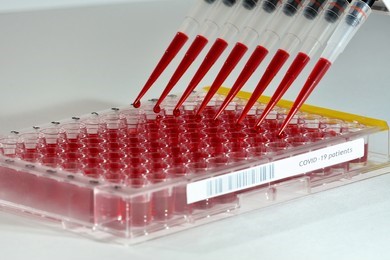
The future of preeclampsia treatment looks increasingly promising.
Several trends are shaping ongoing research:
- Precision medicine approaches
- Biomarker-guided therapies
- Advanced gene delivery technologies
- Mitochondrial-targeted treatments
- Stem cell-based interventions
- Combination therapy strategies
Artificial intelligence and computational biology may also accelerate drug discovery efforts.
These tools can identify promising drug candidates more efficiently than traditional screening methods.
As scientific knowledge expands, researchers move closer to therapies that address the root causes of preeclampsia rather than simply managing symptoms.
Conclusion
Drug repurposing and development is transforming the search for effective preeclampsia treatments. Researchers now understand more about angiogenic imbalance, oxidative stress, immune dysfunction, mitochondrial injury, and placental biology than ever before.
Recent studies have revealed several promising therapeutic opportunities. From repurposed medications and metabolic therapies to gene delivery systems and stem cell approaches, the field continues to evolve rapidly.
Although significant challenges remain, ongoing research offers genuine hope for improving maternal and fetal outcomes. By combining scientific innovation with clinical expertise, researchers are helping shape a future where preeclampsia can be detected earlier, treated more effectively, and managed with greater confidence.
