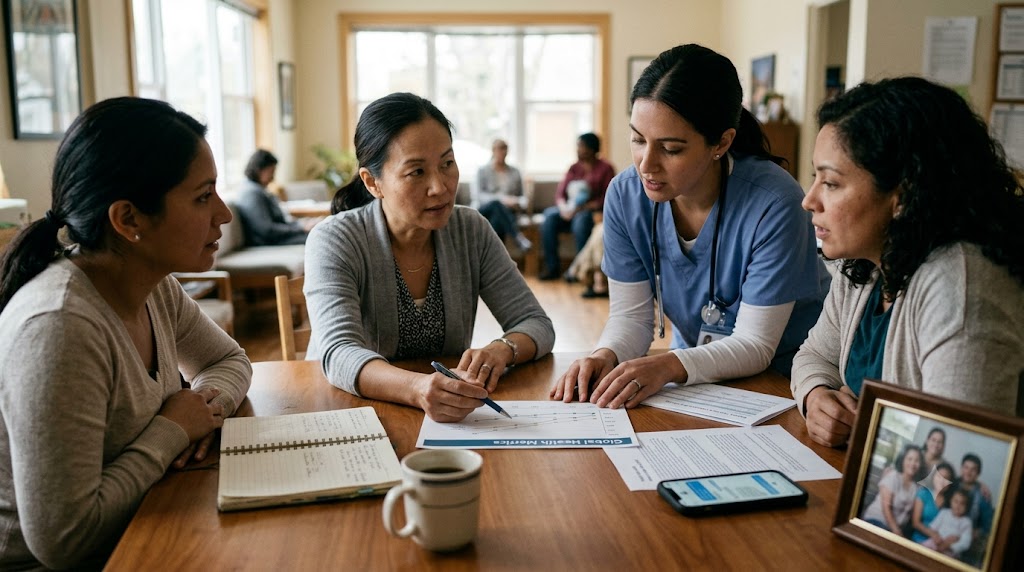
For generations, women’s health has been treated as a niche issue rather than a fundamental pillar of public health and economic prosperity. Yet women make up half the world’s population, are central to families and communities, and contribute significantly to the global workforce. When women’s health is overlooked, the consequences extend far beyond individual patients, affecting families, workplaces, healthcare systems, and economies.
The good news is that this is beginning to change. Increased investment in women’s health, advances in technology, and growing recognition of biological sex differences are creating opportunities to address long-standing health disparities. The result could be transformative not only for women but for society as a whole.
A History of Being Overlooked
Until the 1990s, women were routinely excluded from many clinical trials. As a result, much of modern medicine was built on data derived primarily from men. Drug development, treatment guidelines, and disease management strategies often failed to account for the unique physiological and hormonal factors that influence women’s health.
This historical underrepresentation has had lasting consequences. For example, women account for nearly two-thirds of people living with Alzheimer’s disease, yet sex-specific risk factors, including hormonal changes across the lifespan, were overlooked for decades. Understanding these differences is now opening new avenues for prevention, diagnosis, and treatment.
Women’s health is not simply men’s health with different reproductive organs. Biological sex influences everything from disease risk and symptoms to drug metabolism and treatment response. Recognising these differences is essential for delivering effective healthcare.
Closing the Diagnostic Gap
Many conditions that predominantly affect women continue to experience significant delays in diagnosis.
Endometriosis, which affects approximately one in nine women, can take years to diagnose. Symptoms are frequently normalised or dismissed, leaving many women to suffer chronic pain, fertility challenges, and reduced quality of life before receiving appropriate care.
Similarly, cardiovascular disease remains the leading cause of death among women, yet heart disease is still commonly perceived as a predominantly male condition. Women often present with symptoms that differ from the classic signs traditionally taught in medical education and reflected in clinical guidelines. Research has shown that women experiencing heart attacks are more likely to be misdiagnosed or discharged without appropriate investigation.
Improving awareness, research, and diagnostic tools for women’s health conditions can significantly reduce these delays and improve outcomes. Earlier diagnosis not only benefits patients but also reduces healthcare costs associated with advanced disease and prolonged treatment.
Women’s Health Is an Economic Issue
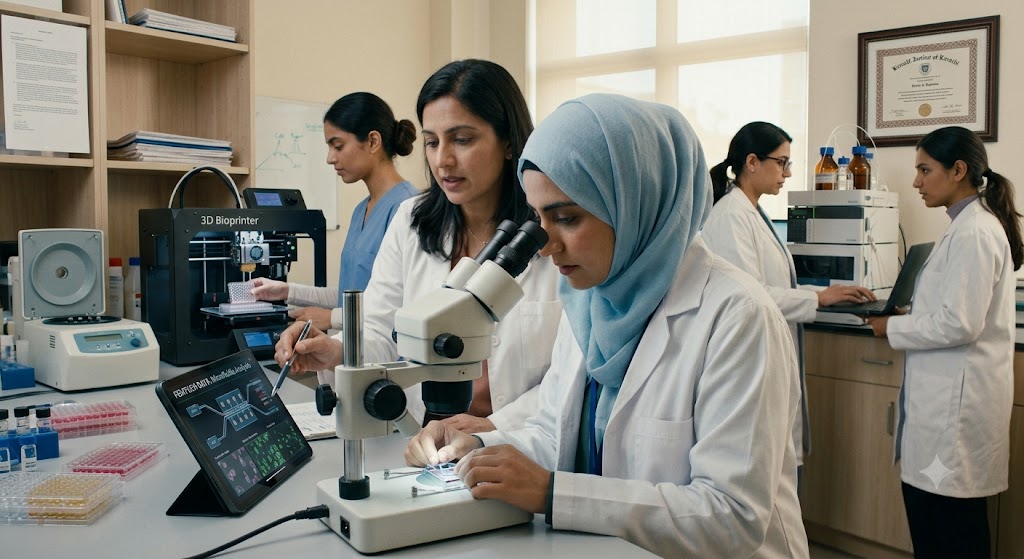
The impact of women’s health extends far beyond hospitals and clinics.
Poor health can affect workforce participation, career progression, and productivity. Conditions such as endometriosis, menopause-related symptoms, pregnancy complications, and chronic diseases can lead to absenteeism, reduced workplace engagement, and premature workforce exit.
Addressing these challenges is not simply a healthcare investment, it is an economic one. Supporting women’s health can improve workforce retention, reduce healthcare expenditure, and enhance productivity. As populations age and labour shortages increase across many sectors, enabling women to participate fully in the workforce becomes even more important.
The economic benefits are substantial. Healthier women contribute to stronger businesses, more resilient communities, and greater economic growth.
The Rise of Femtech and Precision Care
One of the most exciting developments in recent years has been the rapid growth of femtech, the use of technology to address women’s health needs.
From digital health platforms and wearable technologies to innovative diagnostics and personalised treatment approaches, femtech is helping close gaps that have persisted for decades. These technologies are empowering women to better understand their health while providing clinicians with more targeted and actionable data.
At the same time, governments, investors, researchers, and healthcare organisations are increasingly recognising the importance of sex-based biology in healthcare innovation. Greater investment is accelerating research into conditions that have historically received limited attention and funding.
This momentum is driving the development of more personalised, precise, and effective healthcare solutions tailored to women’s unique needs.
Benefits for Everyone
Investing in women’s health is not a women’s issue, it is a societal issue.
When women are healthier, families are healthier. Children benefit from improved maternal health and well-being. Workplaces benefit from increased productivity and retention. Healthcare systems benefit from earlier diagnosis and more effective treatment. Economies benefit from greater workforce participation and reduced healthcare costs.
The return on investment extends across generations.
For too long, women’s health has been underfunded, under-researched, and undervalued. Today, we have an opportunity to change that. Through targeted research, healthcare innovation, femtech development, and evidence-based policy reform, we can build a future where women receive the care they deserve.
Investing in women’s health is one of the smartest investments society can make, not only because it improves the lives of women, but because it creates healthier families, stronger communities, and more prosperous economies for everyone.